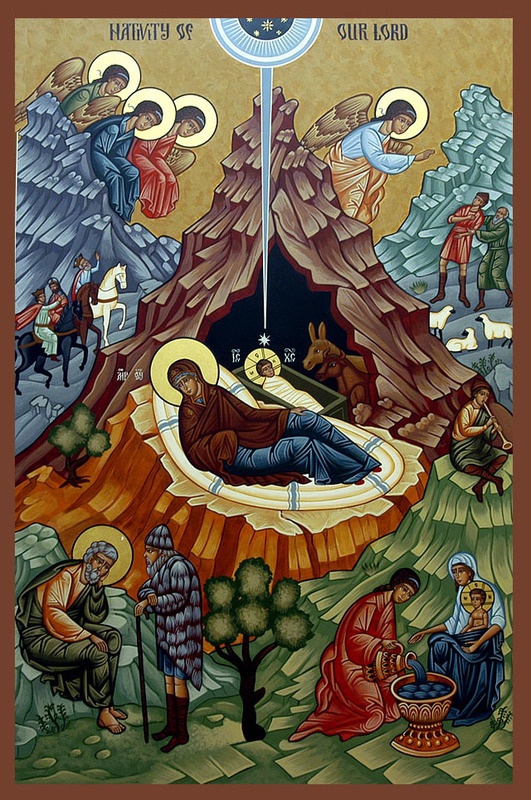
What the Magi Still Teach Us Now
The Church never keeps Epiphany in the past. It places the Magi in front of us now—not as figures in a nativity set, but as a mirror held up to a world that is anxious, divided, exhausted, and searching for light. The questions that swirl around our planet today—violence, displacement, economic fear, political polarization, ecological grief, spiritual confusion—are not new questions. They are the same questions humanity has always asked when the night feels long and the powers of the world seem unreliable.
Epiphany insists on one quiet, disruptive truth: God does not solve the world’s problems by seizing power, but by revealing himself in love.
A World Still Watching the Wrong Kings
The Magi arrive in Jerusalem first. That detail matters. They assume power must be found where power usually resides—palaces, thrones, institutions, influence. And they are wrong.
Our world repeats the same mistake daily. We look to political leaders, markets, technologies, ideologies, and strong personalities to save us. When they fail, cynicism grows. Fear deepens. Anger becomes addictive.
Epiphany confronts this habit gently but firmly. The true King is not where domination is loudest. He is found where vulnerability and truth meet. The Magi do not overthrow Herod. They simply refuse to cooperate with him. They worship elsewhere—and go home by another way.
For today, that is already a message of resistance:
You do not defeat destructive systems by becoming like them.
You defeat them by refusing to give them your allegiance.
The Star Still Appears—But It Does Not Shout
The star does not force the Magi to move. It invites. It does not explain everything. It asks for trust, patience, and courage.
We live in an age of constant noise: outrage cycles, breaking news, endless commentary. Many people feel overwhelmed, spiritually numb, or tempted to disengage entirely. Epiphany speaks into that fatigue with surprising tenderness: God still guides—but often quietly.
The star is enough light for the next step, not the whole map.
For those struggling today—whether with grief, burnout, uncertainty, or despair—Epiphany says this:
You are not required to see the whole road.
You are only asked to remain attentive to the light you do have.
The Gifts Reinterpreted for Our Time
The ancient gifts become startlingly contemporary when we let them speak again.
Gold today asks: What truly rules us?
Our economies are anxious, our systems unstable, our sense of worth often tied to productivity or wealth. Gold before Christ is not rejected—but reordered. Epiphany invites us to place our resources, influence, and power at the service of life rather than fear. It calls leaders to humility and communities to justice.
Frankincense today asks: What do we worship?
Many no longer believe in God, yet still worship—success, identity, nation, self, control. Frankincense before Christ is a reminder that worship shapes us whether we acknowledge it or not. Epiphany calls us back to reverence, awe, and the humility of acknowledging something greater than ourselves.
Myrrh today asks: Are we honest about suffering?
The world knows pain—war, displacement, abuse, illness, loneliness. Epiphany refuses spiritual denial. Myrrh names mortality and grief without despair. It tells a suffering world: God does not look away from pain. God enters it.
This matters profoundly now. Christianity does not offer escape from suffering; it offers companionship within it.
Theophany and a World That Feels Polluted
In the Eastern vision, Christ enters the Jordan and sanctifies the waters. Creation itself rejoices.
This speaks directly to a world anxious about ecological collapse, climate instability, and the abuse of the earth. Theophany proclaims that matter matters. Water matters. Bodies matter. The world is not disposable.
For a generation grieving environmental loss, Epiphany offers neither denial nor despair—but responsibility rooted in hope. If Christ enters creation, then caring for it becomes a spiritual act, not merely a political one.
“Another Way” in an Age of Polarization
Perhaps the most urgent Epiphany message today is this: after encountering Christ, the Magi go home by another way.
They do not return to Herod. They do not negotiate. They do not try to “fix” him.
In a polarized world where every issue becomes a battlefield and every conversation a loyalty test, Epiphany suggests a different posture:
• refusing to be manipulated by fear
• refusing to dehumanize opponents
• refusing to let outrage replace conscience
Going “another way” today might look like choosing compassion over certainty, listening over reacting, truth over tribalism. It might mean stepping out of cycles that feed anger and into practices that restore clarity.
A Word to the Weary and the Disillusioned
Many today feel spiritually homeless—hurt by institutions, skeptical of religion, unsure what they believe but deeply longing for meaning.
The Magi belong to that space. They are outsiders. They do not come with perfect theology. They come with questions, curiosity, and the courage to seek.
Epiphany assures the disillusioned:
God is not waiting for your certainty.
God responds to your seeking.
A Final Epiphany Word for the World
The world does not need another ideology promising control.
It does not need louder voices claiming certainty.
It does not need more Herods.
It needs light that can be trusted.
It needs truth that does not dominate.
It needs love strong enough to enter suffering without becoming it.
Epiphany declares that such light has already appeared.
Not as conquest.
Not as coercion.
But as a Child who receives strangers,
a Christ who sanctifies wounded waters,
and a King whose power is revealed as self-giving love.
And the invitation remains the same as it was then:
Follow the light you have.
Offer what you can.
Refuse false kings.
And go home—by another way.